Hearing unusual timing belt noises can seem inconspicuous at first, but they can be signs of issues within the drive system.
Noticing the sound is only the first step. Identifying the type of noise can provide clues to potential problems. Some common causes of excessive timing belt noise include worn components, poor tension, friction, or drive speed. The exact source will determine the appropriate solution. Sometimes, it’s as simple as re-tensioning a belt, while more serious issues may require total component replacement.
This guide breaks down 6 common timing belt noises in industrial belt drives, their likely causes, and potential solutions so you can prevent problems from happening in the future.
Timing belt drives aren’t completely silent, but excessive noise can be a sign that an issue needs to be addressed. If ignored, an abnormal sound can lead to premature wear or even total belt failure.
Sound: Constant, high-pitched sound
Common causes: Normal tooth and pulley engagement, improper tension, undersized pulleys, air displacement
Constant, high-pitched noise coming from a drive system is common, and it doesn’t always mean trouble. In many cases, this is the normal result of belt teeth engaging with pulleys.
However, if it sounds different than usual, whining might be caused by the belt’s pretension being too high or the pulley diameter being too small. Try increasing the drive speed to see if the noise gets worse. If so, double-check the pretension and adjust if necessary. If there are no tension issues, make sure the pulleys are the appropriate size for the belt being used.
Whining that sounds like air escaping from a balloon is typically caused by air volume displacement. When there is a space between the belt tooth and the pulley groove, the air is pushed out, making that distinct noise. The solution is to maximize air permeability, achievable by using multiple smaller belts instead of one, or cutting air grooves into the pulley.
Sound: Short, repeated squeak or squeal
Common causes: Misalignment, improper tension, side friction
Another common timing belt sound is a sharp intermittent squeak or chirp, which usually indicates that a belt isn’t tracking properly and rubbing against other components or pulley flanges.
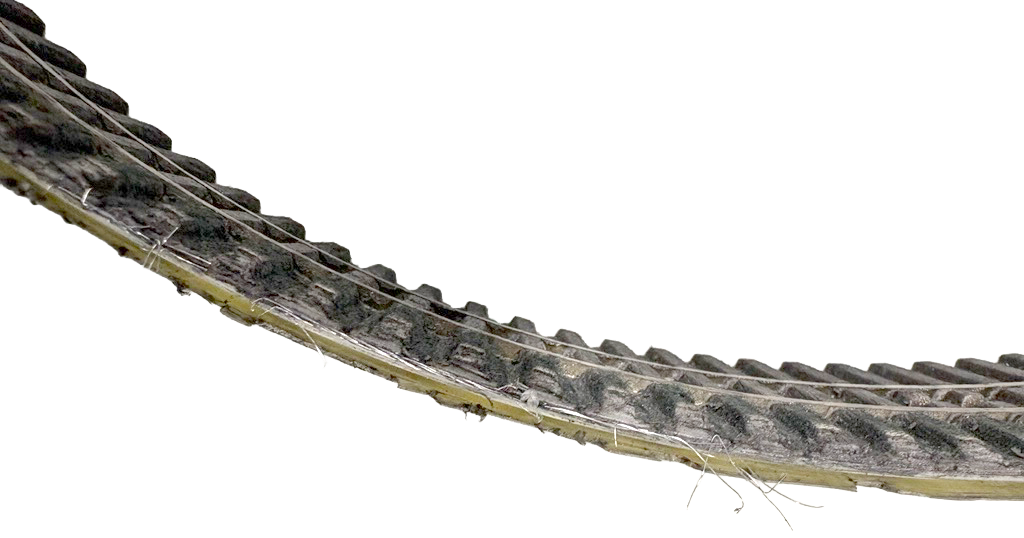
At the first sign of timing belt squeaking, do a total inspection of the belt drive. Evidence of accelerated belt edge wear or scuffing on surrounding components can indicate that the belt isn’t tracking properly or is the wrong width, making it rub against parts and squeak. Check that pulleys are properly aligned; the belt has the proper pretension, and that the correct belt width is used to eliminate squeaking or chirping.
Sound: Snapping or slapping
Common cause: Low tension, component wear
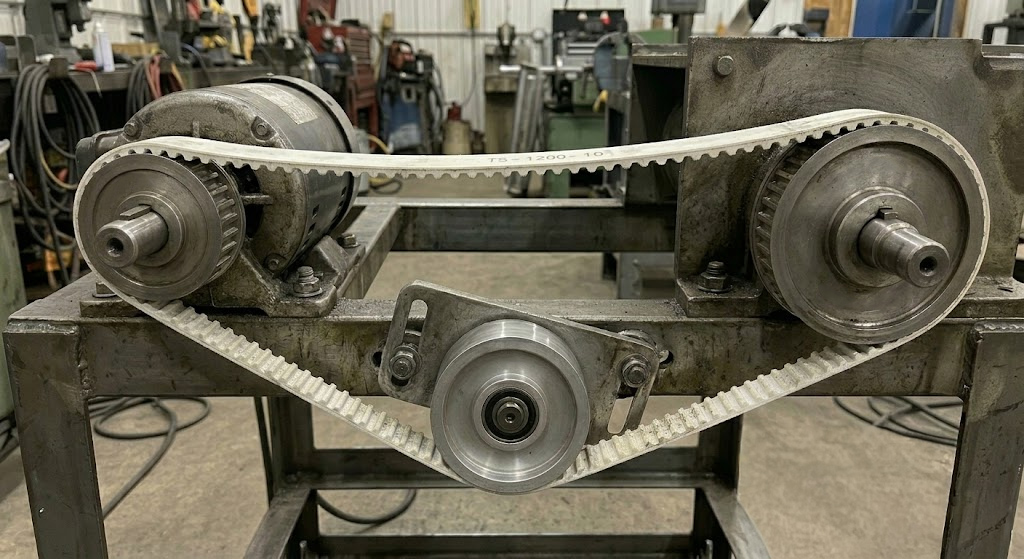
Timing belt slapping sounds are almost always the result of low tension, where extra slack in the belt causes it to slap against other components as it moves. The fix can be as simple as re-tensioning the belt to the manufacturer’s recommendation. The BRECOflex SM5 Tension Meter makes it easy to check belt tension on any belt, regardless of its material.
However, if the slapping sounds persist and tension continues to drop, the problem could be worn components or belt stretch. In that case, it’s time to get replacements.
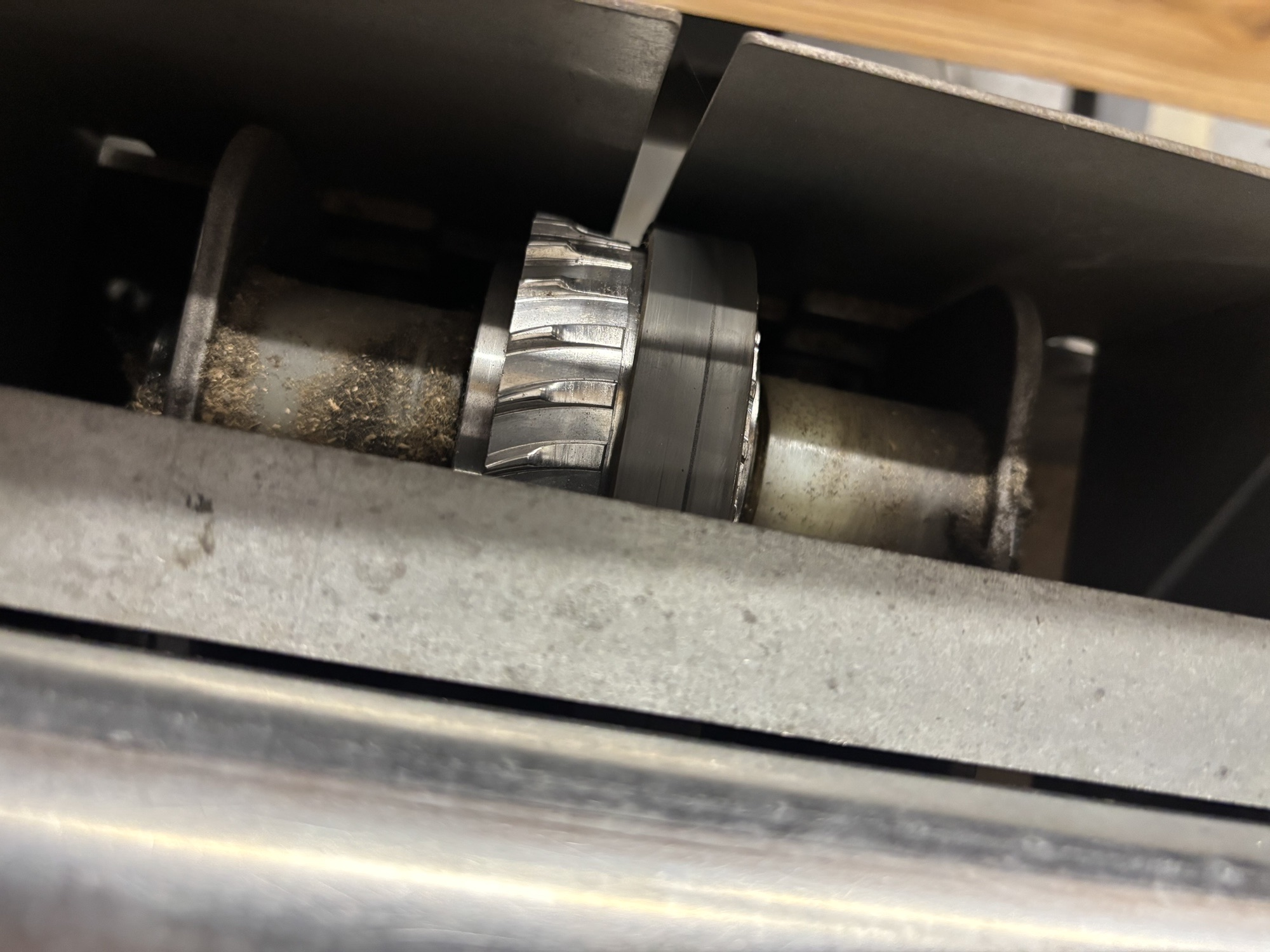
Sound: Repetitive ticking or continuous grinding
Common cause: Belt or pulley tooth wear, contamination or debris
Contamination is a common culprit for ticking noises. When dust, scraps, or shavings get into pulley grooves, they create a tick as the pulley rotates and the belt teeth engage. Clicking can also be caused by worn or damaged belt teeth that no longer mesh smoothly with the pulley.
Grinding sounds are far more severe, usually indicating larger or more abrasive contaminants have entered the drive or that components are extremely worn. Any grinding sounds should be addressed right away to prevent failure, and they may require an inspection of the entire machinery. Follow all equipment manufacturer guidelines for inspections.
Ticking or grinding caused by debris entering the drive can be fixed by cleaning the drive components and identifying preventative measures to stop future contamination. Worn components should be replaced.
Sound: Loose vibrating sound
Common cause: Machinery or mounting component issues, improper tension, worn components
Rattling will sound like something is coming loose within your machine, which may be the root cause of the noise. If mounting hardware, guards, or any parts supporting the drive are loose, they can knock around and create that distinct sound.
If the equipment is secure, or you tighten it and rattling continues, the belt may need to be re-tensioned, or it might be time to replace worn parts.
Sound: Low frequency droning
Common cause: Resonance, tooth meshing
Like other sounds, hearing a humming noise doesn’t automatically mean there’s a problem. It can be normal tooth meshing, usually more noticeable at higher speeds or with smaller pulleys.
Belt resonance can also cause humming, usually in applications with long unsupported belt spans or improper tension. Structural resonance from machine frames, guards, or mountain plates can also make humming more noticeable.
Check timing belt tension and adjust if necessary or consider optimizing the drive design.
Hearing timing belt noise doesn’t always mean there’s a problem, but there are ways to design belt drives to minimize the effects of noise:
While timing belt noise might start as nothing more than nuisance, it’s critical that it gets addressed as soon as possible. Sometimes, it’s the result of normal operation, and mitigating the sound will be more about eliminating an irritating sound than it is about operational efficiency.
In certain cases, unusual noises are a cry for help. Ignoring it can exacerbate the sound, or worse, cause the timing belt to break completely.
BRECOflex offers several high-quality timing belts and pulleys that are designed to reduce the root cause of several common timing belt sounds. Free design support from our Application Engineers can help optimize your drive for the quietest operation possible. Contact us today.